Spring thaw water damage risks for East Keene homeowners
Spring thaw water damage risks for East Keene homeowners start with frozen pipe thaw damage and snowmelt flooding. Here's how to prevent both this season.
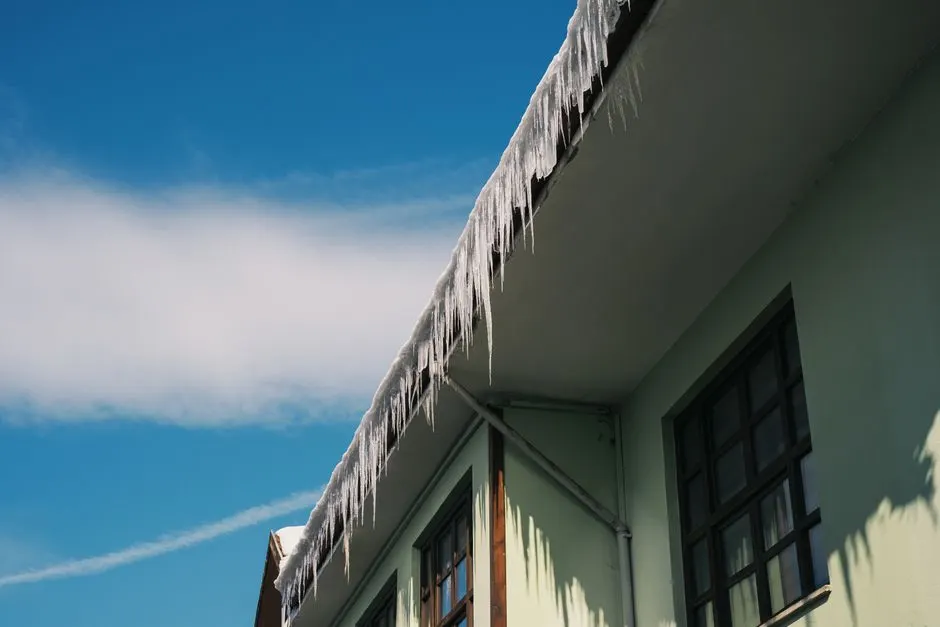
Spring thaw water damage risks for East Keene homeowners come down to two things: snowmelt that has nowhere to go, and frozen pipes that split while you were away. Every March and April we get the same calls from the east side of town - water in the basement, a bulge in the ceiling, a musty smell that wasn't there in February. The fix is almost always cheaper when you catch it in the first 24 to 48 hours.
Below we walk through where the water actually comes from, what it costs to deal with in 2026, and the specific steps that keep East Keene basements dry through the melt.
What spring thaw water damage risks mean for East Keene homeowners
Spring thaw water damage risks for East Keene homeowners is the set of failure points - soil saturation, roof ice damming, foundation cracks, and thawing supply lines - that release water into a home as temperatures climb back above freezing. It's needed the moment daytime highs hit the 40s while the ground underneath is still frozen solid.
That combination is the whole problem. The top 12 to 18 inches of soil thaws and turns to mud, but the frost layer below stays locked. Meltwater can't drain down, so it spreads sideways - straight into your foundation wall, your window wells, and any crack wider than a hairline.
East Keene sits in a spot where that happens fast. The neighborhood's older housing stock, tighter lots, and the way runoff moves off the higher ground means water arrives at your foundation from uphill, not just from your own yard.
Why East Keene properties take on water when the ground thaws
East Keene properties take on water in spring because the ground can't absorb it and the grading around the house pushes it toward the structure instead of away. Three factors stack up at the same time.
- Frost depth. Once the subsoil is frozen, it acts like a concrete liner. Water pools at the frost line and rises.
- Grading. A lot of East Keene yards have settled toward the house over decades. Even a 1-inch slope the wrong way sends water to the wall.
- Drainage. Gutters that dump within 3 feet of the foundation, or downspouts that empty into a buried line that's still frozen, put every drop right where you don't want it.
We see this most on streets where homes were built close together and the original swales have been flattened by decades of regrading and repaving. If your neighbor's yard drains into yours, you're getting their meltwater too.
Roof ice dams are the other half of the story. Heat escaping through the attic melts snow on the upper roof, the water runs down and refreezes at the cold eave, and then it backs up under the shingles. By the time you notice the stain on the ceiling, the water has been traveling for days. That's a job for ceiling water damage repair Keene CA, and the sooner we get to it, the less drywall and insulation you lose.
Frozen pipe thaw damage: the risk that shows up after the cold snap
Frozen pipe thaw damage Keene CA homeowners deal with almost every spring starts the moment a frozen line begins to warm. The ice plug that sat safely in the pipe all winter expands when it freezes - and when it melts, the pressure releases and water pours out of the split.
Here's the part people miss: the pipe usually doesn't burst when it freezes. It bursts when it thaws. So the leak shows up on the first warm afternoon, often while you're at work.
The pipes most at risk in East Keene homes are:
- Supply lines running through unheated crawl spaces and rim joists.
- Outdoor hose bibs and their interior shutoff stubs.
- Pipes along exterior north-facing walls, especially in older homes with minimal insulation.
- Lines in garages and unheated additions.
If you turned off the outdoor spigot last fall but never drained the stub, that's a coin flip every spring. A split there can dump hundreds of gallons into a wall cavity before you notice the paint bubbling. When that happens, our water leak restoration Keene CA team finds the break, dries the cavity, and checks the surrounding framing for rot.
Does snowmelt cause basement flooding in Keene CA?
Yes - snowmelt is the leading cause of basement flooding in Keene CA each spring, and it usually arrives through the path of least resistance rather than a dramatic wall failure.
In most East Keene homes we inspect, the water comes in through one of these:
- The cove joint, where the floor slab meets the foundation wall.
- Hairline cracks in poured concrete or block walls.
- Window wells that fill faster than they drain.
- A floor drain or sump pit that's overwhelmed by volume.
- Backed-up perimeter drain tile that's still frozen at the outlet.
A typical finished East Keene basement holds 800 to 1,200 square feet of carpet, pad, and drywall. Once that's wet, you're looking at $3,500 to $8,000 in 2026 pricing to extract, dry, and rebuild - and that's before any mold work. If the water sits more than 48 hours, mold can start colonizing the paper facing on drywall, which is why we treat every spring basement call as a clock-starts-now situation.
If you're already seeing dampness along the base of the wall, our basement flood cleanup Keene CA crews handle the extraction and drying in one visit rather than sending two trucks on two days.
How to prevent spring thaw water damage in Keene CA
How to prevent spring thaw water damage in Keene CA comes down to moving water away from the house before it arrives, and knowing where your shutoffs are before you need them. Do these in late February or early March, before the first real melt.
- Clear the roof edges. Knock down the last 3 to 4 feet of snow at the eaves so meltwater has somewhere to go instead of backing up under the shingles.
- Extend downspouts. Get every discharge point at least 6 feet from the foundation. If the ground is still frozen, use a temporary flex extension.
- Shovel snow away from the walls. A 3-foot clear zone around the foundation drops the hydrostatic pressure on your basement wall noticeably.
- Check the sump pump. Pour a bucket of water into the pit and confirm the float trips and the pump discharges outside. Test it twice - once now, once in April.
- Open the crawl space vents once daytime temps hold above 40°F, and keep them closed at night until the freeze is done.
- Find your main shutoff and tag it. If a thawing pipe lets go, you have seconds, not minutes.
- Walk the basement weekly through April. Look for new efflorescence, damp spots on the floor, or a musty smell near the cove joint.
If you'd rather have someone check it, a spring water damage inspection in Keene CA takes about 45 minutes and covers the basement, crawl space, attic, and every visible supply line. It's the cheapest hour you'll spend all year.
One more thing worth knowing: if your home has had water intrusion before, the odds of mold go up sharply. Crawl spaces and attics are the two spots people forget. Our crawl space mold removal Keene CA service exists because we kept finding the same problem - a wet crawl space in April that nobody looked at until August.
Common mistakes East Keene homeowners make in March and April
The mistakes we see most often in East Keene are the ones that turn a $900 drying job into a $9,000 rebuild. None of them are exotic.
- Waiting for it to dry on its own. A wet basement in 55°F air doesn't dry. It stays at 70%+ humidity and feeds mold.
- Running a box fan and calling it done. Household fans move air, not moisture. You need dehumidification and airflow into the wall cavity.
- Pulling up wet carpet but leaving the pad. The pad is a sponge. If it's wet, it's gone.
- Assuming insurance will cover it. Most standard policies cover sudden pipe bursts but exclude long-term seepage and groundwater. Read your policy before the melt, not after.
- Ignoring the smell. A musty odor two weeks after a leak means microbial growth, not "old basement smell."
- Turning the heat off when you leave for a week. A 55°F minimum in the house is cheap insurance against a re-freeze.
If you're not sure whether what you're seeing is a real problem, call us. We'd rather tell you it's nothing than come out in May to tear out a wall.
When to call a professional for spring water damage in East Keene
Call a professional the moment you see standing water, a wet ceiling, or a musty smell you can't trace - those three signs almost never resolve on their own. For everything else, here's the line we draw.
Call us right away if:
- Water is actively running or you can hear it in a wall.
- Any wet area covers more than 10 square feet.
- The water touched drywall, insulation, or carpet pad.
- It's been more than 24 hours since the leak started.
- You smell sewage, or the water came up through a floor drain.
- You see discoloration on the ceiling or a bulge in the paint.
Water Damage Restoration Keene handles all of it - extraction, structural drying, moisture mapping, and the rebuild. We're a local team, we know how East Keene basements are built, and we don't sub out the drying. If you're on the east side and want a straight answer about what you're looking at, we'll come take a look.
Frequently Asked Questions
What are spring thaw water damage risks in East Keene CA?
The main risks are snowmelt seeping through foundation cracks and cove joints, frozen pipes splitting when they thaw, roof ice dams backing water under shingles, and overwhelmed sump pumps or floor drains. Most East Keene calls come in during the first two warm weeks of March and April, when the ground is still frozen below the surface.
How do I prevent spring thaw water damage in Keene California?
Clear snow 3 feet back from the foundation, extend downspouts at least 6 feet, test your sump pump twice, and know where your main water shutoff is. Keep the house at 55°F or above if you travel. A 45-minute spring inspection in early March catches most of it before the melt starts.
Does snowmelt cause basement flooding in Keene CA?
Yes. Snowmelt is the top cause of spring basement flooding in Keene CA. Water enters through the cove joint, wall cracks, window wells, and floor drains because the frozen subsoil won't let meltwater drain downward. A finished basement can take on $3,500 to $8,000 in damage in 2026 pricing if it isn't dried within 48 hours.
When should I call a water damage pro in East Keene CA?
Call immediately if water is actively running, if the wet area is larger than 10 square feet, if drywall or carpet pad got wet, or if it's been more than 24 hours. Those conditions almost always mean hidden moisture and a real mold risk. Smaller damp spots can wait for a scheduled inspection.
Will my insurance cover spring thaw damage?
Most standard policies cover sudden pipe bursts and accidental discharge, but exclude long-term seepage, groundwater, and gradual foundation leaks. Snowmelt entering through a crack is usually treated as groundwater and denied. Read your policy before March, and document everything with photos if a loss happens.
Get help with Water Damage Restoration in Keene
If the melt has already found its way into your East Keene home, don't wait for it to dry on its own - it won't. We handle extraction, drying, and repairs across East Keene and the surrounding neighborhoods, and we'll tell you honestly what needs to happen.
Call Water Damage Restoration Keene at (833) 321-7153 and we'll get a crew out to you.