What Keene homeowners should check before hiring a water damage pro
Before you sign anything, check these six things: license, insurance, drying equipment, moisture readings, written scope, and price. Here's the Keene, CA checklist.
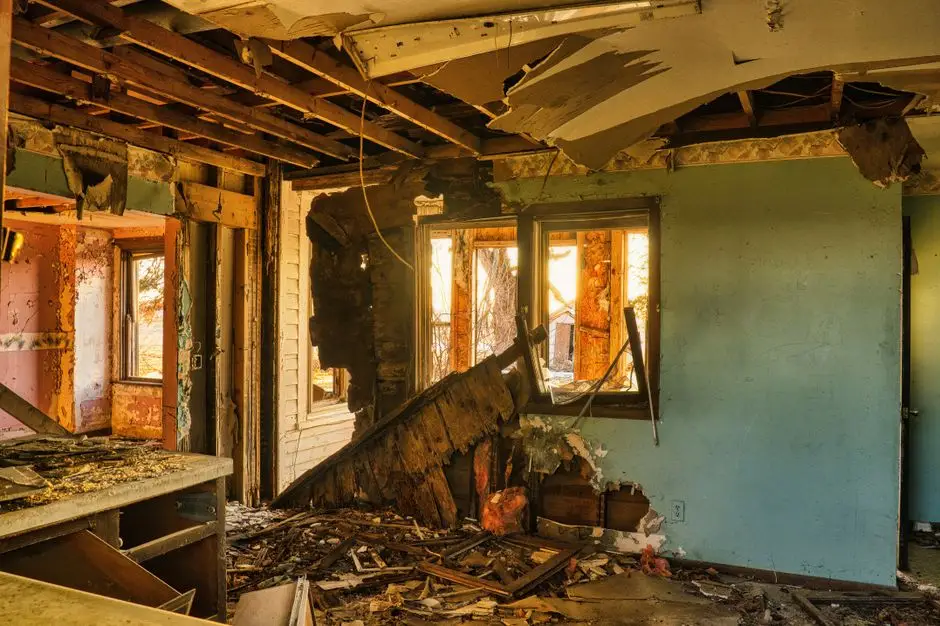
Before you hire anyone, verify four things: a current California contractor license, general liability and workers' comp insurance, commercial-grade drying equipment (not shop fans), and a written scope with moisture readings and a fixed price. If a company can't produce all four on the first visit, keep calling. The rest of this post breaks down exactly how to check each one, what 2026 pricing looks like around Keene, and the red flags we see homeowners miss.
Check the license and insurance before anything else
A water damage pro in Keene should hold an active California contractor license and carry both general liability and workers' compensation coverage. Ask for the license number and the certificate of insurance, then verify them yourself before work starts.
California contractors are licensed through the Contractors State License Board. You can look up any license number on the CSLB website in about two minutes. Check three things: the license is active, the classification matches the work (a C-36 sheet metal license is not a restoration license), and the business name on the license matches the name on your contract.
Insurance is the part homeowners skip. If a technician drops a dehumidifier through your floor or cuts a supply line, general liability covers it. If a worker gets hurt on your property and the company has no workers' comp, that injury can land on your homeowner's policy. Ask for a certificate dated within the last 12 months and call the insurer's number on the certificate to confirm it's still active.
We handle water damage across the region, and the calls that go wrong almost always start the same way: someone hired a truck-and-fan crew off a door hanger. If you want to see how a licensed team structures the work, look at our Water Damage Restoration services page before you start making calls.
What licenses should a water damage pro have in Keene CA?
A water damage pro in Keene CA should carry a California contractor license with a classification that covers the repair work, plus IICRC certification for the drying and mold side. The license is a state requirement; the IICRC credentials are the industry standard for the technical work.
Here's what to look for on the certificate or card:
- CSLB license - active, in the company's legal name, with a classification that covers water damage repair (B-General Building or a specialty that fits the job).
- IICRC WRT - Water Restoration Technician. This is the baseline certification for anyone pulling water and setting drying equipment.
- IICRC ASD - Applied Structural Drying. The person designing your drying plan should have this, not just the techs running the equipment.
- IICRC AMRT - Applied Microbial Remediation Technician. Required if there's any mold growth, which is common after a Keene basement flood sits for 48 hours.
Ask who on the crew holds each certification. A company with one certified owner and six untrained techs is not the same as a company where every lead tech is certified. The certification numbers are printed on the cards - ask to see them.
Ask what drying equipment shows up, and how many units
The equipment list tells you more about a company than any sales pitch. A real restoration crew brings commercial-grade gear sized to the job, not a couple of box fans from the hardware store.
For a typical Keene living room with wet carpet and pad, expect at least three to five air movers and one or two LGR dehumidifiers. For a finished basement with wet drywall, the count doubles. A refrigerant dehumidifier that pulls 30 pints a day is a homeowner unit; a commercial LGR pulls 80 to 130 pints a day and that's what actually dries a structure in three to five days instead of three weeks.
Ask two questions on the phone before anyone arrives:
- How many air movers and dehumidifiers will you bring for a room this size?
- Do you use a desiccant dehumidifier for cool, damp spaces?
That second one matters in Keene. Cool basements and crawl spaces dry slowly with standard refrigerant units, and a company that doesn't own desiccant equipment will either leave the job wet or rent the gear and bill you for it. Our team runs water extraction Keene CA with truck-mounted units and follows with the right dehumidifier for the space, not a one-size-fits-all setup.
Get moisture readings in writing, not a verbal guess
Every legitimate restoration company takes moisture readings on day one and writes them down. If the tech walks in, looks at the wet carpet, and says "yeah, that's wet," walk them out.
The tools are simple: a pin-type or pinless moisture meter for drywall and wood, and a thermo-hygrometer for the air. Readings are expressed as a percentage of moisture content. Drywall that reads above 1% on a pin meter is wet; framing lumber above 16% is wet. The tech should record readings at multiple points - base of the wall, mid-wall, ceiling above, and the floor under the wet area - and photograph each one.
You want those readings on the written scope, with the date and time. That document is what proves the job is dry at the end. Without baseline numbers, there's no way to know when drying is finished, and the crew can pull equipment early and leave hidden moisture behind.
We see this constantly in older homes around Water Damage Restoration in Downtown Keene, where plaster walls and original hardwood hold water differently than modern drywall. Plaster can read dry on the surface and stay saturated an inch deep for weeks. A pro who knows the building stock takes readings at depth, not just on the surface.
How much should a water damage pro cost in Keene CA?
Typical 2026 pricing in Keene runs $1,200 to $3,500 for a single-room water loss with extraction and drying, and $4,000 to $12,000 or more for a finished basement or a loss that involves mold. The spread comes down to how much water, how far it traveled, and what materials have to come out.
Here's a rough breakdown of what drives the number:
- Emergency extraction: $500 to $1,200 for a standard room, more if it's a flooded basement requiring a submersible pump.
- Drying equipment: $75 to $150 per day per unit, and most jobs run three to five days.
- Demo and disposal: $300 to $900 for removing wet drywall, pad, and baseboards.
- Mold remediation: $1,500 to $6,000 depending on square footage and containment needs.
- Repairs and rebuild: the largest variable, often $2,000 to $8,000 for drywall, paint, flooring, and trim.
Ask for a line-item estimate, not a lump sum. A single number with no breakdown is a red flag. Also ask whether the price is fixed or time-and-materials - a fixed price protects you if drying takes an extra day because the space is cold and damp.
Most homeowner policies cover sudden water damage from a burst pipe or appliance failure. They typically don't cover gradual leaks or flooding from outside. Call your adjuster before you sign anything so you know what's covered and what you're paying out of pocket.
Red flags when hiring a water damage pro in Keene
The red flags when hiring a water damage pro in Keene are predictable, and they show up in the first five minutes of the conversation. Here's what to watch for:
- Cash-only, no contract. A legitimate company issues a written scope and takes a check or card. Cash-only means no paper trail and no recourse.
- Pressure to sign before the walkthrough. If a tech wants a signature before they've taken a single moisture reading, that's a sales operation, not a restoration company.
- No license number on the truck or paperwork. California requires contractors to display their license number. If it's missing, the license probably is too.
- "We'll handle the insurance for you." You can authorize a company to talk to your adjuster, but you should never sign over your claim or let them negotiate the settlement on your behalf.
- Drying equipment pulled after two days. Most structural drying takes three to five days. A crew that pulls gear early is either cutting corners or doesn't understand the science.
- No follow-up moisture readings. If they don't come back to verify the structure is dry, they can't prove the job is done.
One more: be wary of anyone who shows up uninvited after a storm. Storm chasers move through the region after heavy rain, collect deposits, and disappear. Local companies have a physical address and a reputation to protect.
When to call a professional
Call a professional when water has been sitting more than 24 hours, when it's reached a wall cavity or under flooring, or when you can smell that musty odor that means mold is already growing. Those three situations almost always need commercial drying equipment and, in the mold case, containment.
You can handle a small spill yourself - a glass of water on a hard floor, a towel and a fan. You cannot handle a supply line that's been spraying behind the drywall for a day. Water wicks up into the wall cavity, saturates the insulation, and starts growing mold within 24 to 48 hours. By the time you see a stain on the ceiling, the damage is already behind it.
If you're not sure, call and ask. We'll tell you honestly whether it's a DIY job or whether you need us out. Water Damage Restoration Keene handles everything from a single-room extraction to full flood restoration services Keene CA, and we'd rather talk you out of an unnecessary job than sell you one you don't need.
Frequently Asked Questions
What should I check before hiring a water damage pro in Keene CA?
Check four things: an active CSLB license, current liability and workers' comp insurance, commercial drying equipment sized to the job, and a written scope with moisture readings and a fixed price. Verify the license number yourself on the CSLB site before you sign anything.
How do I choose a water damage restoration company in Keene California?
Choose a local company with a physical address, IICRC-certified techs, and a clear process: extract, dry, monitor, verify. Ask for two recent local references and call them. A company that can't name a job it finished in Keene last month isn't local.
What licenses should a water damage pro have in Keene CA?
A California contractor license from the CSLB with a classification covering the repair work, plus IICRC certifications - WRT for technicians, ASD for the drying lead, and AMRT if mold is involved. Ask to see the cards and the license number.
How much should a water damage pro cost in Keene CA?
In 2026, expect $1,200 to $3,500 for a single-room loss with extraction and drying, and $4,000 to $12,000 or more for a finished basement or a job with mold. Get a line-item estimate so you can see what you're paying for.
Do I need to hire a pro if the water only touched the carpet?
If the carpet and pad are the only wet materials and you can dry them within 24 hours, you may be fine with fans and a dehumidifier. If the water reached the subfloor, baseboards, or wall cavity, call a pro - hidden moisture there causes mold within two days.
Get help with Water Damage Restoration in Keene
If you've got water where it shouldn't be, call us and we'll walk you through what to check before you hire anyone - including us. We're local, licensed, and we'll give you a straight answer on whether you need a pro or a shop vac.
Call (833) 321-7153 for emergency water removal and drying in Keene, CA.